
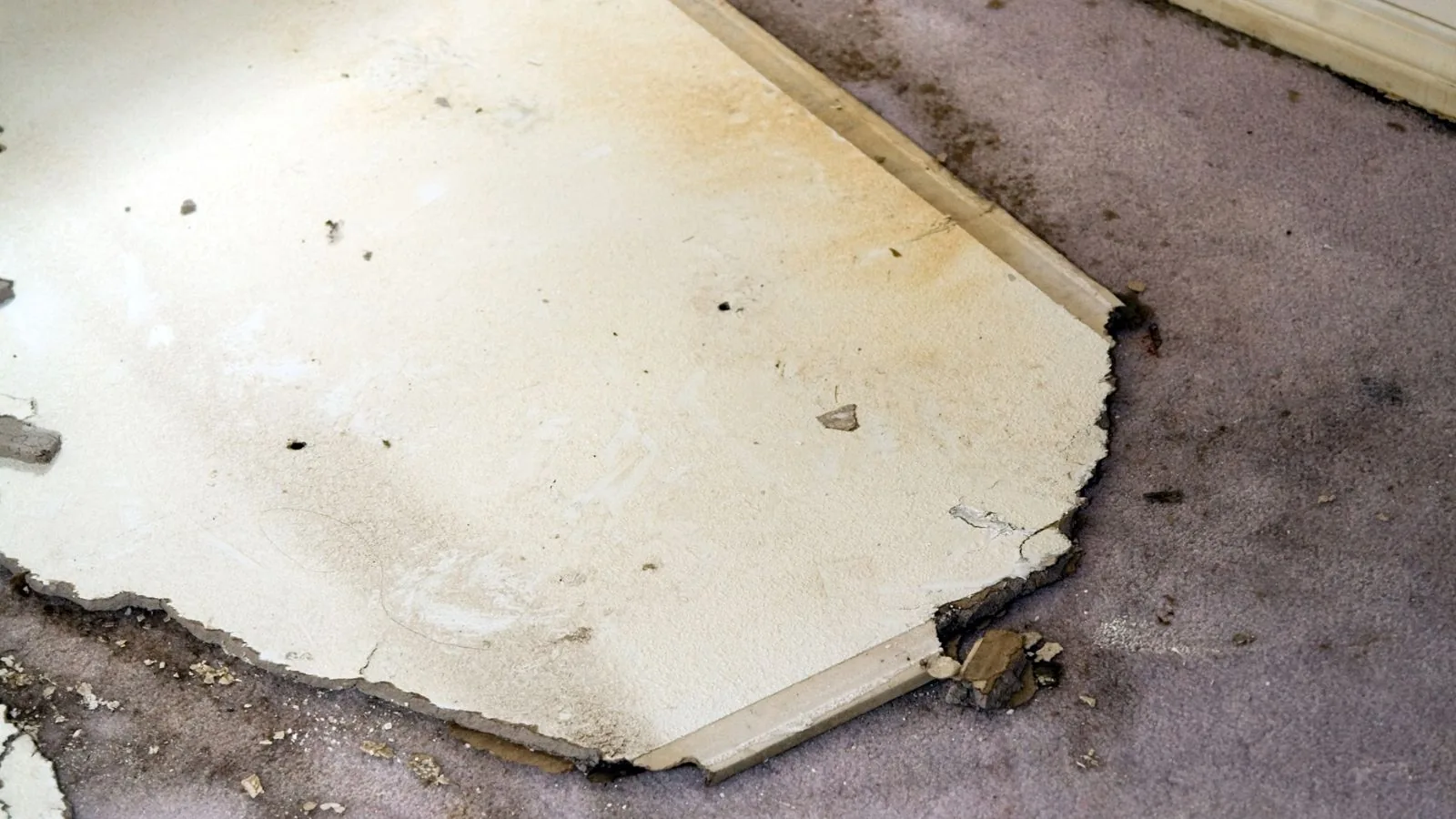
A wet basement is an emergency because water below grade sits against walls, stored belongings and often the home's mechanical systems. It may be clean seepage, rainwater, or contaminated backup, and you cannot tell by looking. The 24/7 line is answered at night and during storms, and the first rule is to stay out if power or gas equipment is near the water.
Weehawken basements are a common concern, and the neighborhood page for The Shades covers lower-level water in the downtown area.
When basement water is an emergency
Immediate steps
- Do not enter if water covers outlets, the panel, a furnace or a water heater. Call the utility or 911 if you suspect electrical danger.
- Stop using water in the building if you think it is a sewer backup.
- Move belongings off the floor from the stairs if you can do so safely.
- Photograph the waterline and damaged items before moving them.
- Call the line and describe the depth, the color of the water and whether it is still rising.
Where basement water comes from
| Source | What it looks like | How it is classed |
|---|---|---|
| Plumbing leak | Clear water, local to a fixture | Clean at first, changes with time. |
| Groundwater seepage | Water at walls and floor joints after rain | Treated as contaminated by some standards. |
| Sump pump failure | Water rising from the sump pit | Depends on source. |
| Sewer backup or floor drain | Dark water, odor, comes from drains | Contaminated, see sewage backup cleanup. |
| Surface flooding | Water through doors or window wells | Contaminated, see flood damage cleanup. |
Basement water in Weehawken
The North Hudson Sewerage Authority serves Weehawken with combined sewers that carry sewage and stormwater. In its Boulevard East infrastructure project, it lists frequent flooding of streets and basements in Weehawken during intense rainstorms as a core need, and the work covers Boulevard East, Highwood Avenue, Hudson Place and Hamilton Avenue.
That does not tell you what happens at your address. The FEMA Flood Map Service Center and your township building department are the right sources for flood zone and rebuilding rules. If your basement has a floor drain or an older sewer connection, ask a plumber about a backwater valve, which is a prevention measure outside restoration.
Water still spreading while you read? The 24/7 line is open now.
Call (844) 950-6900How basement cleanup works
Pump and extract
Pumps remove standing water, and wet vacuums clear the rest.
Remove what cannot dry
Carpet, pad, damaged drywall and insulation come out, especially if the water was contaminated.
Clean and dry
Hard surfaces are cleaned and sanitized as needed. Air movers and dehumidifiers dry walls, framing and concrete.
Verify and rebuild
Readings confirm dryness. Finished spaces are rebuilt after.
Honest limit: restoration is not waterproofing or foundation repair. If water keeps returning, a contractor who handles drainage or waterproofing should look at the cause. We remove the water and dry the space so the next step can happen.
Finished basements and contents
Finished basements raise the stakes because drywall, flooring, furniture and electronics all sit low. Contents are sorted by what can be cleaned and what cannot. Documents and photographs can sometimes be dried by a specialist if you keep them cold and call quickly.
Sump pumps, power and what to check
If your basement has a sump pump, check that it is running and the discharge line is clear of ice or debris before the next storm. A pump that depends on household power fails in an outage, so a battery backup is a common precaution that a plumber can install. None of this replaces drying after water has entered.
Before anyone goes downstairs after a flood, check whether furnaces, water heaters and panels are in the wet area. If they are, the utility or an electrician should confirm they are safe before power is restored.
Cost factors and insurance
| Factor | What it changes |
|---|---|
| Water source and category | Contaminated water adds protection and removal. |
| Depth and area | Larger and deeper means more equipment. |
| Finished materials | Drywall, flooring and cabinets raise scope. |
| Concrete and framing | Dry time depends on readings. |
| Contents | Cleaning or replacing belongings is a separate scope. |
Scope and price are explained before work starts. The New Jersey Department of Banking and Insurance says flooding is not covered under standard homeowners policies and that flood coverage needs a separate policy. Sewer backup may be covered only if your policy includes an endorsement, so ask your insurer.
Questions people ask
Do you handle basement flooding emergencies at night or on weekends in Weehawken?
Yes. The line is open 24 hours a day, including storms and holidays. Crews are sent the same day when available. Stay out if water is near electrical equipment and take photos.
Is basement water always contaminated?
Not always, but you cannot tell by looking. Water from a plumbing leak starts clean, while storm and drain water is treated as contaminated.
Can you stop my basement from flooding again?
No. Restoration removes water and dries the space. Waterproofing, drainage and sump systems are a different trade.
Should I run a dehumidifier myself?
A small unit helps with humidity after water is removed, but it cannot dry wet walls and concrete quickly. Get readings first.
Ready to talk it through? Call the line any hour.
Call (844) 950-6900