
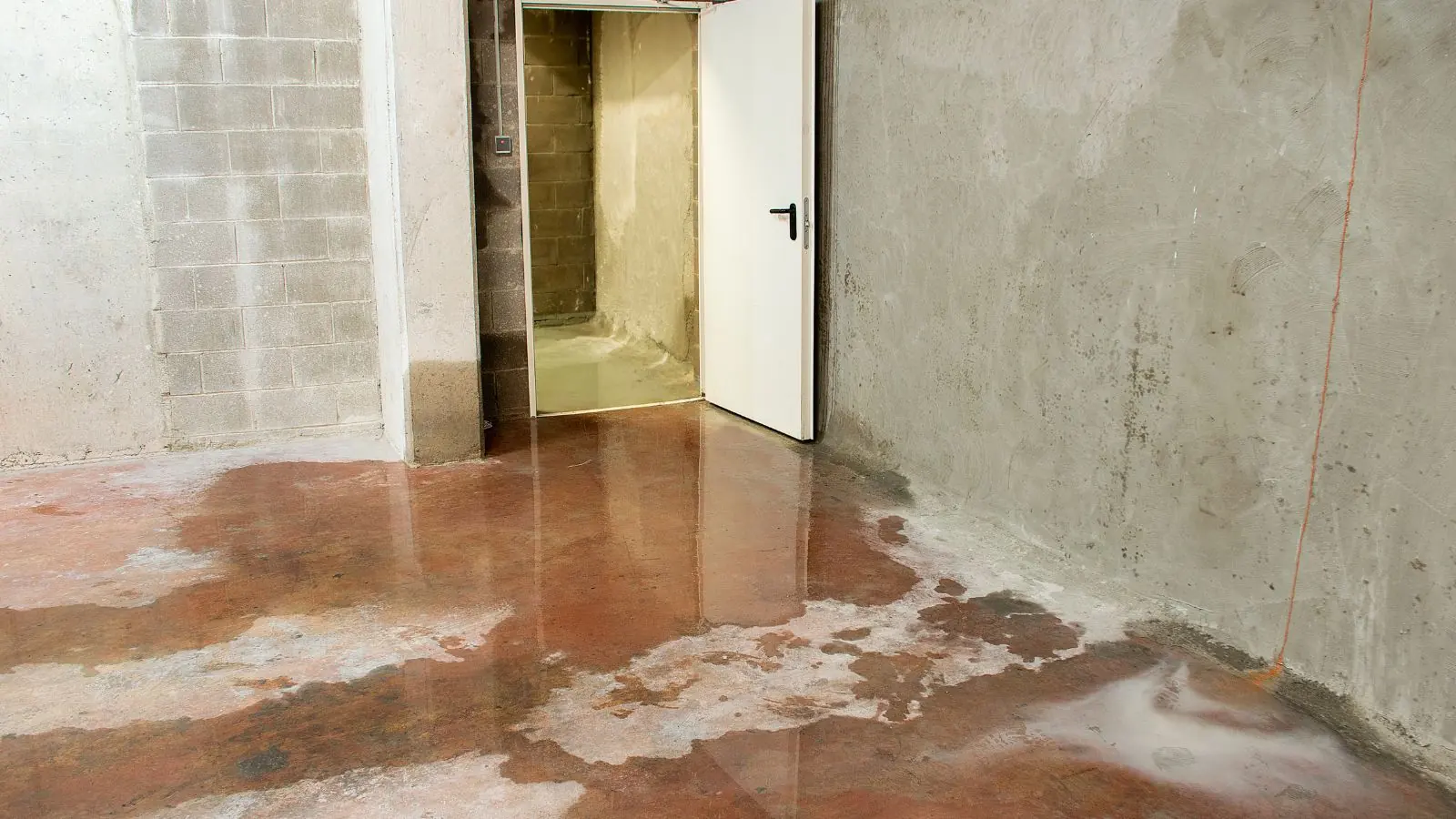
Water damage in a commercial space is an emergency because every hour affects operations, inventory and neighbors. A leak in an office suite can reach tenants below, and a failed line in a restaurant can stop service. The 24/7 line is answered at night and on weekends, and the first step is to shut off the source and protect electronics.
First steps for a business water loss
Immediate actions
- Close the main or zone shutoff, or call building engineering to close the riser.
- Cut power to wet areas only if it is safe. Call the utility or 911 for any panel, server room or elevator involvement.
- Move inventory, documents and electronics to dry areas or onto shelves.
- Photograph the damage, the source and affected equipment before cleanup.
- Notify the property manager and your insurer, then call the line.
What makes commercial jobs different
Commercial spaces have larger floor plates, shared walls, ceilings with mechanical systems and tenants who need to reopen. Water in a suite can travel through plenums and ceiling tiles into neighboring tenants. The work needs coordination with the building owner or manager, sometimes with after-hours access.
Restoration crews can work around business hours, stage equipment to keep part of a space usable and document the loss for insurers and landlords. They do not replace plumbers, electricians or building engineers, and they coordinate with them.
| Type of space | Common concern | What to plan for |
|---|---|---|
| Office suite | Ceiling tiles, carpet tile, electronics | Quick drying to reduce downtime. |
| Retail store | Inventory and flooring | Moving stock, drying under fixtures. |
| Restaurant or kitchen | Floor drains, equipment, food safety | Health rules, equipment clearance. |
| Multi-unit residential building | Water traveling between units | Coordination across several owners. |
| Lower level or storage | Cartons, records, wiring | Protecting contents and electrical. |
How a commercial job is handled
Stabilize
The source is controlled and affected areas are isolated.
Extract and protect
Water is removed, and contents and equipment are moved or covered.
Dry with documentation
Air movers and dehumidifiers run with logged readings that support insurance and lease obligations.
Coordinate repair
Crews work with property managers and contractors so repairs and reopening follow the dry date.
Water still spreading while you read? The 24/7 line is open now.
Call (844) 950-6900Commercial water risk around Lincoln Harbor and Park Avenue
Weehawken has an office and hotel district at Lincoln Harbor between the Lincoln Tunnel and Weehawken Cove, a retail corridor along Park Avenue and apartment and townhouse buildings along the river. Each has a different exposure. Office suites have ceilings and mechanical risers, retail has storefronts and basements, and residential buildings have many shared walls.
Waterfront property is also in the area covered by a New Jersey DEP study of Hudson waterfront flooding during Hurricane Sandy. Your building manager and insurer can tell you what flood measures apply to your property, and the FEMA Flood Map Service Center shows mapped zones by address.
Documentation and downtime
Insurers and landlords usually want moisture logs, photographs and an itemized scope. Keeping those records from the first visit helps a business interruption claim and protects tenants. Ask your insurer what documentation it needs, and tell the crew early so it is collected as work proceeds.
Business continuity questions to settle early
Decide within the first day who needs to be told. Tenants below and beside a loss should hear from the property manager. Your insurer needs notice, and your lease may require written notice to the landlord. If the space is a restaurant, check whether food safety rules require closure and inspection before reopening.
Ask the crew for a drying timeline once readings are taken and for a plan that lets part of the space reopen sooner. A written schedule that matches contractors, inspectors and reopening dates is more useful than a general promise to be quick.
Cost factors and insurance
| Factor | What it changes |
|---|---|
| Size and layout | More floors and suites mean more equipment. |
| Hours of access | After-hours work changes staffing. |
| Contents and inventory | Protecting stock adds scope. |
| Tenant coordination | Shared walls need access across spaces. |
| Drying days | Equipment time follows readings. |
Scope and price are explained before work starts. Commercial policies differ widely, and lease terms decide who is responsible for what, so read both and call your insurer and property manager early.
What to do before the crew arrives
Safety steps for a business
- Move people away from wet floors, hanging ceiling tiles and wet electrical equipment.
- Shut off power to affected areas only if you can reach the breaker safely.
- Close the water source if you can do so without entering standing water.
- Notify the property manager and your insurer.
- Photograph the loss before cleanup begins.
- Keep a list of who was told and when.
For documentation, many commercial claims rely on drying records. ANSI/IICRC S500, the published standard for professional water damage restoration, is the reference most insurers and contractors recognize for how readings and drying goals are recorded.
Questions people ask
Do you handle commercial water damage emergencies at night or on weekends in Weehawken?
Yes. The line is open 24 hours a day. Crews are sent the same day when available, and after-hours access can be arranged with your property manager.
Can you work while we stay open?
Often yes. Equipment can be staged to keep part of a space usable, depending on the damage and safety.
Do you handle multi-unit buildings?
Yes. Water that crosses units needs coordination with the manager and affected owners, and the crew can document each unit separately.
What documents should I keep?
Photographs, moisture logs, inventories of damaged items and your communications with the landlord and insurer.
Ready to talk it through? Call the line any hour.
Call (844) 950-6900