
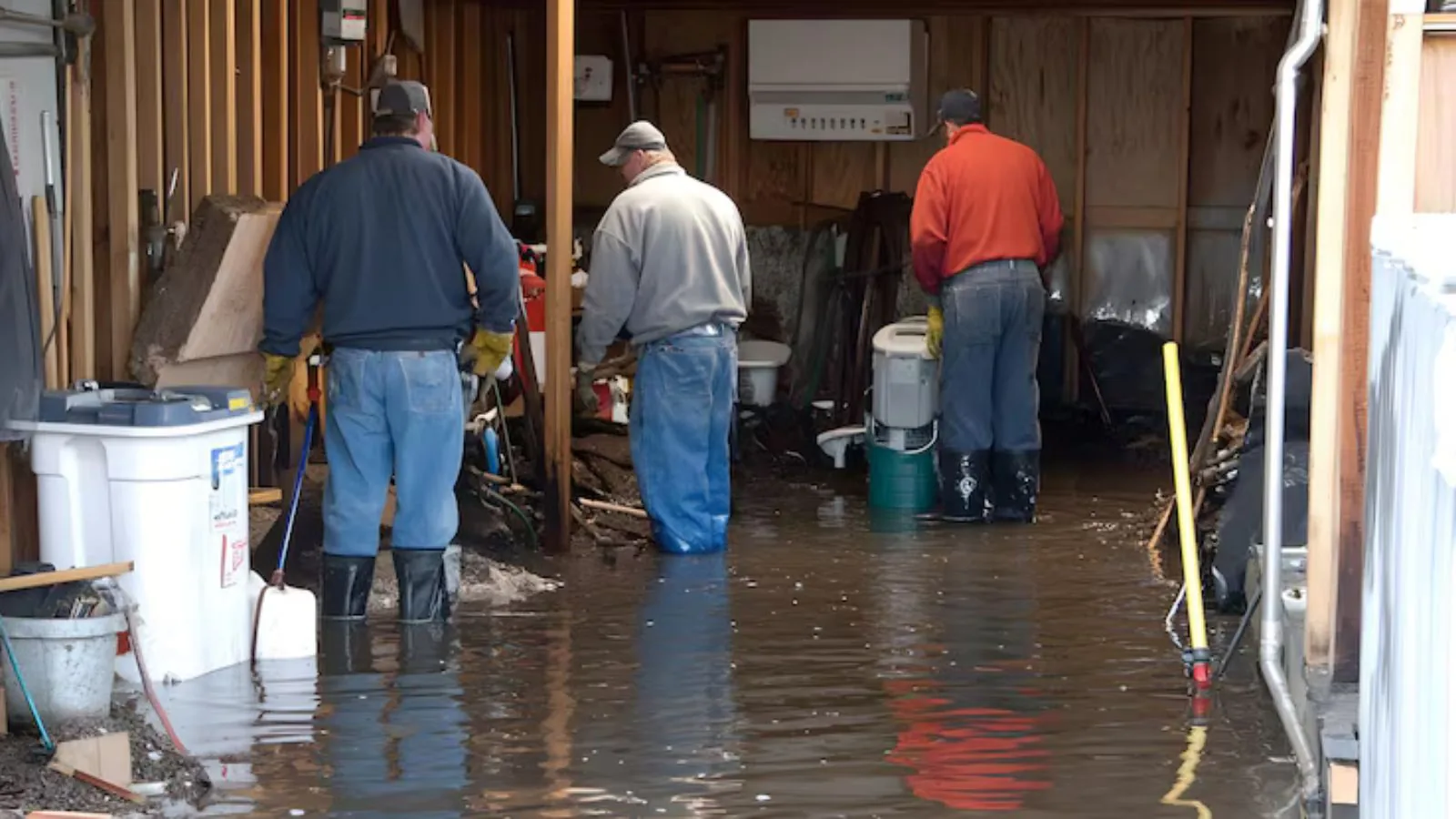
Decide before an emergency if you can
The worst time to choose a company is while water is pouring through a ceiling. If you can, keep a number on your fridge or phone. If you cannot, use the questions below when you call, because a quick conversation will show a lot.
No single question settles the choice. Look at how the company answers, whether it gives clear details and whether it is willing to put things in writing.
Questions to ask on the first call
Ask these
- Are you licensed and insured, and can you provide proof?
- Do you work with insurance companies and provide documentation?
- How do you measure moisture and how often?
- What equipment will you set up and for how long?
- Will you explain scope and price before work starts?
- Who will be on site and how will I reach them?
A good company answers directly. If answers are vague or the caller pushes you to sign immediately, slow down. A response that is honest about timing is better than a promise that cannot be kept.
Red flags
Be careful with a company that quotes a price with no questions, asks for a large payment up front or refuses to put terms in writing. Doorknockers after a storm should be checked carefully, since out of town crews sometimes disappear after taking deposits.
Also be wary of claims that sound too perfect, such as promised results regardless of conditions or arrival times that no one can control. Water damage varies, and honest companies say what they can and cannot promise.
Water still spreading while you read? The 24/7 line is open now.
Call (844) 950-6900What a good process looks like
Assessment
The crew finds the source, checks what is wet and takes moisture readings.
Written scope
You receive a description of the work and the price before it begins.
Extraction
Standing water is removed with pumps and extractors. See water extraction.
Drying
Air movers and dehumidifiers run while readings are logged. See structural drying.
Verification
Readings are checked before equipment is removed.
Documentation
You receive photos, logs and invoices for your records.
Insurance and billing
Ask whether the company will bill you directly or work with your insurer. Either way, keep your own copies. Your insurer decides what is covered, and you are still responsible for the contract you sign.
Avoid signing a blank form or a direction to pay that you have not read. If you do not understand a clause, ask for an explanation or take the document to your insurer.
Local presence
A company based near you can usually reach you faster and knows the buildings and rules in your area. Ask where the crew will be coming from and how they handle access in multi-unit buildings. Our crews work from Weehawken and serve nearby towns.
Your checklist
Write down the company name, the person you spoke with, the scope, the price and the time frame. Photograph the crew's arrival and equipment. Keep every document in one folder for your claim.
What to expect when the crew arrives
A professional crew introduces themselves, confirms the address and walks the affected area with you. They should explain what they see before touching anything. Expect questions about when the water started, where it came from and whether anyone has tried to clean it.
Protective steps come early. Floors may be covered, furniture moved and a path set for hoses and cords. If the water is contaminated, such as sewage, the crew puts on protective gear and tells you what to avoid. Ask them to describe each step in plain terms.
Equipment you should see
Water jobs use a short list of tools. Pumps and extractors remove standing water. Air movers push air across wet surfaces. Dehumidifiers pull moisture from the air. Moisture meters and sometimes thermal cameras show where water is hiding.
Ask how many units will run and for about how long. A crew that sets one fan in a flooded basement is not drying it. A crew that sets many units with no plan to check them is not either. The answer should connect equipment to readings.
Communication through the job
Drying usually takes several days, and a good company checks in. Ask how you will get updates, who the lead technician is and how to reach the office after hours. Written notes after each visit make it easy to track progress.
When something unexpected comes up, such as a hidden wet wall, you should hear about it before the scope changes. Clear communication is one of the best signs of a company you can trust with your home.
Pricing models you may meet
Water jobs are priced in different ways. Some companies charge by the equipment and the days it runs. Others charge by area or by labor hours. Ask which model applies, what the unit prices are and how extra days are handled if the building takes longer to dry.
No model is automatically better. What matters is that the method is written down, that it matches your scope and that you can follow the math. If the price changes during the job, you should be able to see why, with readings or photos that support the change.
Ask what is billed if the crew arrives and finds less damage than expected. A fair company explains a minimum charge in advance. Surprises on the invoice usually trace back to questions nobody asked at the start.
One practical question is which published standard a company follows. ANSI/IICRC S500 is the published standard for professional water damage restoration, and S520 covers mold remediation. A company can describe how its drying and documentation line up with those references. Be cautious if the answer is a vague claim with nothing you can check.
Choosing locally in Weehawken
Weehawken has many multi-unit buildings, so ask any company whether it has experience with shared walls, elevators and building management rules. Share the building contact before the crew arrives.
The same questions apply in Jersey City and Ridgefield. For licensing in New Jersey, you can check a contractor's credentials with the state before you sign.
Questions people ask
What should I look for in a restoration company?
Clear answers, proof of license and insurance, moisture readings, written scope and price, and documentation for your insurer.
Is the first call enough to decide?
It tells you a lot. If answers are vague or the caller pushes you to sign quickly, keep looking.
Should I pay a deposit?
Ask what it covers and get terms in writing. Be careful with large payments before work starts.
Do all companies deal with insurers?
Not all do. Ask whether they provide documentation your insurer will need.
Why do you say same-day response when available?
Because response depends on crew availability and conditions. We say when we can come and tell you plainly if timing is tight.
Questions about your own situation? The line is open 24/7.
Call (844) 950-6900