
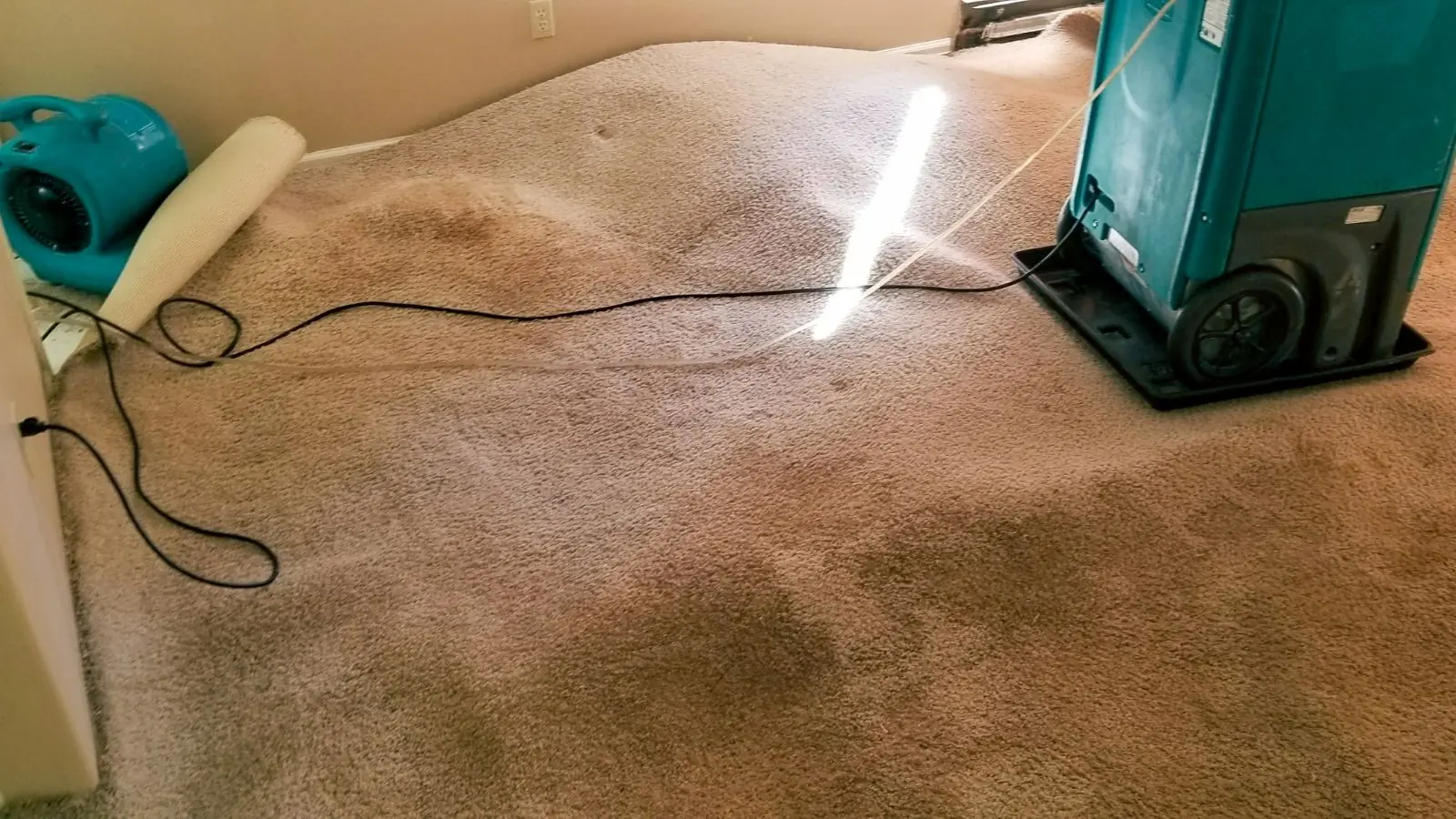
What a musty smell usually means
A musty smell is often described as earthy, stale or like a damp basement. It is common after a leak, a flood or a period of high humidity. The odor itself is a clue that something in the space is damp or has been damp long enough to change.
Odors do not tell you exactly what is wrong, and this guide does not diagnose anything. What it can do is point you to places to look, and tell you when to get a moisture reading and a closer look.
Common hiding places
| Location | Why it holds moisture |
|---|---|
| Under carpet and pad | Pad absorbs water and dries slowly. |
| Inside walls | Insulation and drywall can stay damp for weeks. |
| Beneath cabinets and sinks | Small leaks collect where no one looks. |
| Crawl spaces and basements | Low airflow keeps materials damp. |
| Behind baseboards | Water wicks into the base of the wall. |
| Upholstery and stored boxes | Absorbent items hold moisture. |
Start with the area where the water was. Even if it looks dry, a deeper layer may not be. Smell the room at different times of day. Odors often grow stronger when humidity rises.
How to check
Follow your nose
Sniff along baseboards, closets, cabinets and floor registers to find where the smell is strongest.
Look for stains
Check ceilings, walls and the underside of sinks for discoloration.
Feel for dampness
Press gently on carpet and walls. A cool, damp or soft spot is a clue.
Run a fan test
Open windows and run a fan for a day. If the smell returns when you close up, the source is still active.
Get a moisture reading
A meter can find damp materials that you cannot see or feel.
Water still spreading while you read? The 24/7 line is open now.
Call (844) 950-6900What does not work
Air fresheners, candles and ozone machines cover or alter the smell but do not dry anything. If the source is still damp, the odor returns. Spraying over wet carpet or drywall can also trap moisture.
Deep cleaning carpet may help if the pad is dry, but if the pad or subfloor is wet, the odor will come back. Read about carpet water damage restoration for how pad and subfloor are checked.
Drying is the real fix
The way to remove a musty smell caused by dampness is to dry the area completely. That can involve air movers, dehumidifiers and sometimes removing materials that cannot dry. Once readings reach a normal range, odors tend to fade on their own.
Structural drying and dehumidification describes how professionals do this. If you also see growth on surfaces, our mold remediation page explains when containment and removal are needed.
When to call
Call if the smell stays after cleaning, if it follows a known leak, if it gets stronger in one room or if you notice stains or soft materials. If anyone in the home is sensitive to odors or has questions about their health, talk with a doctor, and do not rely on this page for medical guidance.
Cars, closets and stored items
Odors do not always come from the building. Damp cardboard in a closet, wet towels in a hamper or a bag of old clothes can smell musty. Remove stored items from the area, air them out and see whether the smell fades.
If the smell clings to items from the wet room, wash or discard them as needed. Keep clothes and linens away from the damp area while you work on it.
Why smells return in humid weather
A space that is damp at depth may seem fine on a dry day and smell worse when humidity rises. This pattern suggests moisture in materials, not just in the air. Running a dehumidifier helps monitor the problem, but reaching dry readings in the materials is the goal.
If the smell comes back after drying, look for a second source such as a slow drip, a vent or a roof penetration. A second inspection often finds what the first missed.
A simple log to track the problem
Keep a short log for two weeks. Write the date, the room, the strength of the smell on a scale of one to five, the weather and what you changed that day, such as opening windows or running a dehumidifier. Patterns appear quickly when you write things down.
If the smell is strongest after rain, look at roofs, gutters and exterior walls. If it is strongest after showers, look at bathroom ventilation and tile joints. If it never changes, the source may be inside a wall or beneath a floor. Share the log with the crew so they know where to take readings.
Bring up the log with building management as well. In shared buildings, a pattern across several units can point to a riser, a roof or a drain stack that no single resident can see.
Talking to building management about odors
When you report an odor, be specific. Say which room, what time of day, how long it has lasted and whether anything else changed, such as a recent leak, painting or new flooring. Specific reports are easier to act on than a general complaint, and they leave a record.
Ask whether a technician can take a moisture reading in your unit and in the units around it. If the building has a maintenance log, ask for the dates of recent plumbing or roof work.
The EPA's guidance on moisture control makes the same point as this page. Find the source of dampness, fix it and dry the materials quickly, because mold needs moisture to grow. Odor control on its own does not meet that guideline.
Weehawken building notes
In a multi-unit Weehawken building, a musty smell may be coming from a neighboring unit or a shared wall. Tell building management and ask whether other units have noticed it.
Lower-level garages and storage rooms near the cliffs may also hold dampness. Residents in Fairview and Jersey City see this in lower floors and basements.
Questions people ask
Why does my home smell musty after a leak?
Materials may still be damp. Carpet pad, insulation and drywall can stay wet longer than the surface suggests.
Will a dehumidifier fix it?
It can help if the source is humidity, but wet materials may need drying equipment or removal.
Do ozone machines work?
They change odor but do not dry materials. Fix the moisture first.
How do I find the source?
Follow the smell, look for stains, check under sinks and ask for a moisture reading.
Is a musty smell dangerous?
This page cannot give medical advice. If you have health concerns, talk with a doctor, and dry the damp area.
Questions about your own situation? The line is open 24/7.
Call (844) 950-6900