
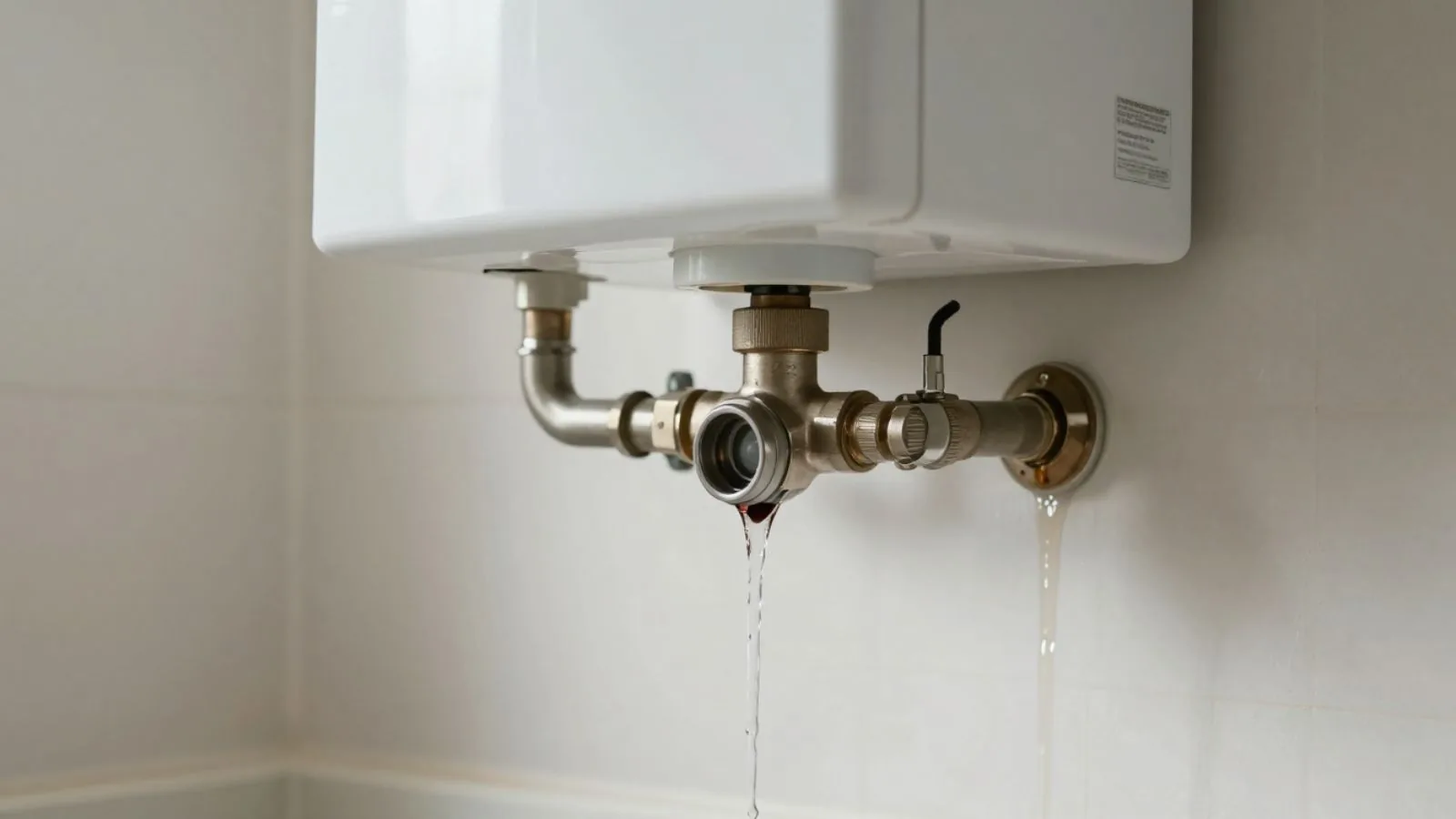
Why seasons matter
Water finds a way in at every time of year, but the route changes. Cold causes pipes to freeze and burst. Spring brings rain and snowmelt. Summer brings heavy storms and air conditioner condensation. Fall leaves clog gutters and drains.
Thinking by season turns a long list of tasks into four short ones. Pick a weekend at the start of each season and run through the checklist below.
Winter: freezing and bursting
Pipes in exterior walls, unheated garages, crawl spaces and attics are most at risk. When the forecast drops, open cabinet doors under sinks on exterior walls, let a faucet drip and keep the heat on. If a pipe freezes, thaw it slowly and shut off the water if it cracks.
Know where your main shutoff is before cold arrives. Frozen pipe water damage describes what happens when pipes thaw and how damage is handled. Roof ice can also lead to leaks, so check ceilings after a thaw.
Spring: rain and thaw
Spring rain on saturated ground sends water toward foundations. Check basement walls and floors for dampness, test your sump pump and make sure downspouts discharge away from the building. Melting snow can flow through cracks that were quiet in winter.
Inspect the roof after winter for loose flashing or lifted shingles. Small repairs in spring prevent a ceiling stain in summer.
Water still spreading while you read? The 24/7 line is open now.
Call (844) 950-6900Summer: storms and condensation
Summer thunderstorms can drop heavy rain fast, which tests drains and roofs. Air conditioners produce condensate that drains through a line, and a clogged line can overflow into a ceiling. See AC leak water damage for what to look for.
Water heaters and appliances keep working all year, but a vacation is a good time for a quick check. Turn off the washer supply before long trips and look for drips under sinks.
Fall: leaves and preparation
Clean gutters after the leaves drop, and clear drains near your building. Check weatherstripping and caulking before cold sets in. Drain outdoor hoses and shut off exterior spigots if your building allows.
A quarterly checklist
| Season | Top checks |
|---|---|
| Winter | Insulate exposed pipes, know the main shutoff, watch for ice dams. |
| Spring | Test sump pump, inspect roof, extend downspouts. |
| Summer | Clear AC condensate line, check hoses and heater, watch storms. |
| Fall | Clean gutters, seal gaps, shut off outdoor taps. |
A fifteen minute walk around the building each season is often all it takes. Write down what you find and fix small issues promptly. Keep photos and receipts in case you need them later.
When something goes wrong anyway
Stop the water, stay safe around electricity and call. Our burst pipe water damage and storm water damage cleanup pages describe the first steps for two of the most common seasonal losses.
Older plumbing and shared risers
Older buildings often have older supply lines, shutoff valves that have not been turned in years and drain stacks that run through several units. These age at different rates. Test shutoff valves once a year, and replace any that leak or stick.
In shared risers, one failure can affect many units. Ask your manager when risers were last inspected and whether there is a plan for maintenance. Tenants should report drips and stains quickly.
Vacancy and travel
A home that sits empty for a few days can have a leak run unnoticed. Before a trip, shut off the water supply to the washer, check under sinks and set the thermostat to a safe temperature in cold months. Ask a neighbor or friend to check in.
Smart leak sensors cost little and send alerts to a phone. Place them near the water heater, under sinks and by the washer. They give you a head start on a leak you would otherwise find days later.
Keep a home log
A simple notebook of when you cleaned gutters, tested the pump and replaced hoses makes it easy to stay on schedule. It also helps with insurance if you ever need to show that the home was maintained.
Using the seasonal list in a multi-unit building
If you rent or own a condo, many items belong to the building. You still have a role. Check under your own sinks, around your washer, behind your toilet and near your windows each season. Report problems in writing and keep a copy.
Ask building management when gutters, roofs and drains were last cleaned and when fire sprinkler and heating lines were last tested. Managers often welcome questions that help them schedule maintenance, and a record of your request protects you if a problem develops.
Adjusting the list to your building type
A top floor apartment should focus on roof leaks and AC lines. A ground floor unit should focus on drains, grading and flooding. A house with a basement should concentrate on the sump pump, foundation cracks and window wells. Pick the three items that fit your situation and do them well.
Write them on your calendar with a date each season. A task with a date is far more likely to get done than one that lives in your head.
If you only have time for one habit, make it the quarterly walk around. Look at ceilings, under sinks, around windows and at the base of exterior walls. Anything new, like a stain or a damp spot, deserves a photo and a closer look the same day. Review the list again when the clocks change, which is an easy reminder.
What to do before each season starts
A short seasonal routine
- Set a calendar date for the quarterly check.
- Know where the main shutoff is and test it.
- Look at ceilings and under sinks for stains.
- Photograph anything new and note the date.
- Call early if something looks wrong.
According to the National Flood Insurance Program, flood policies generally carry a 30 day waiting period, so insurance questions belong in your seasonal list too.
Weehawken seasonal notes
Weehawken has cold winters and storm-prone summers like the rest of northern New Jersey, and many buildings here are multi-unit with shared plumbing risers. Ask your manager about seasonal checks, especially for roofs and common-area pipes.
Homeowners in Jersey City and Fairview can use the same seasonal checklist for their own properties.
Questions people ask
What is the biggest winter risk?
Frozen pipes in exterior walls and unheated spaces. Keep heat on, open cabinet doors and know your main shutoff.
When should I clean gutters?
In fall after leaves drop and again in spring. Check them after big storms as well.
What causes AC leaks?
Often a clogged condensate line or a full drain pan. An HVAC technician can clear and check it.
Should I do something before a vacation?
Check for drips, close the washer supply and ask a neighbor to look in. Leaks while away can run for days.
Who do I call if damage happens?
Stop the source if safe, then call the line. We start with extraction and drying.
Questions about your own situation? The line is open 24/7.
Call (844) 950-6900