
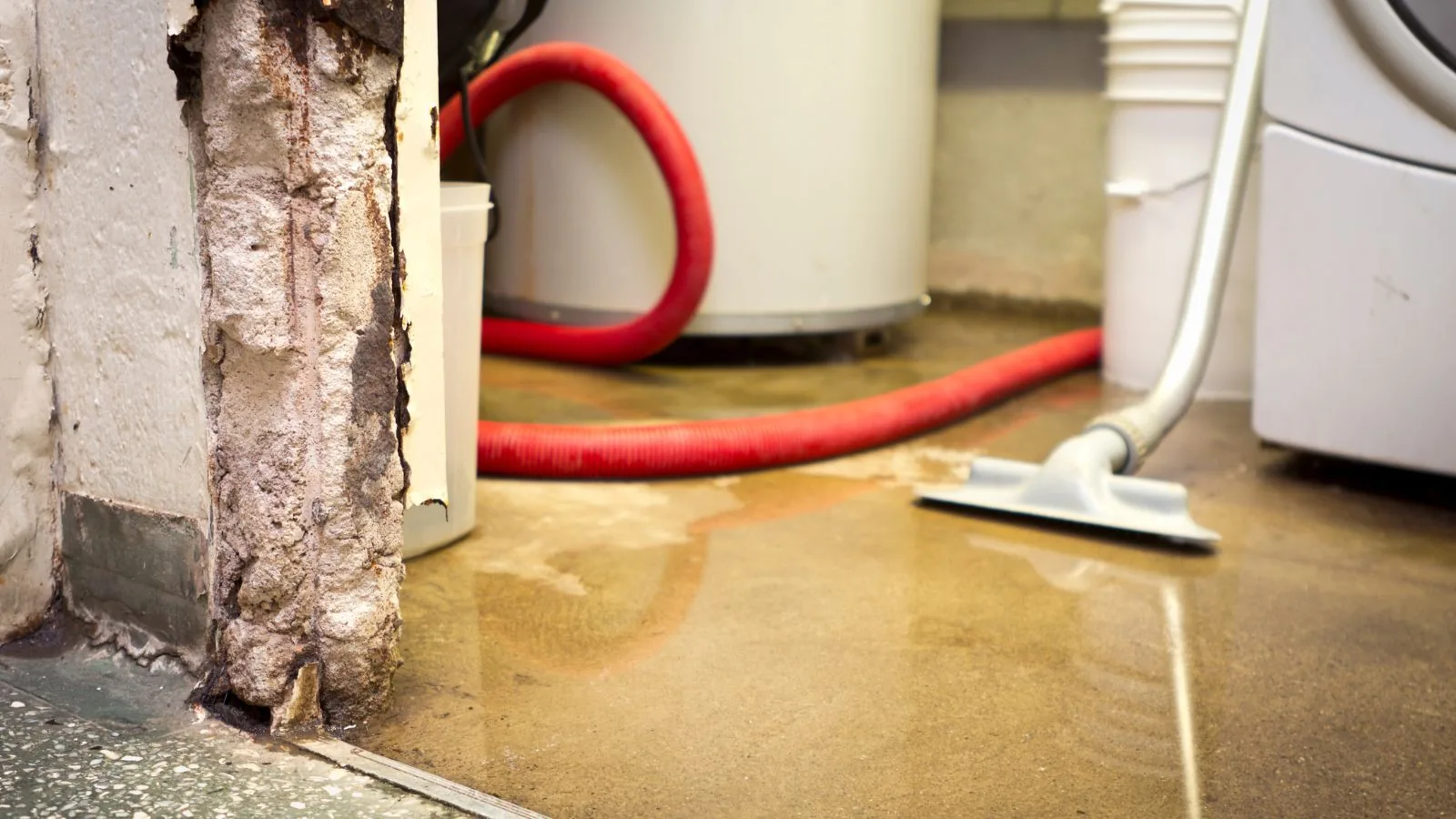
Why a high bill is a clue
Billing periods vary, and guests, new appliances or seasonal use can raise a bill. But a jump with no change in how you live is a reason to look. Leaks waste water around the clock, so even a small one adds up.
Read your bill carefully. Compare usage with earlier months, check the dates and see whether the bill was estimated. If the meter was not read, the next actual reading may correct the number. If usage is truly higher, start your search.
A meter test you can do
Turn everything off
Close taps, stop the dishwasher and washer and make sure nobody is using water.
Find the meter
It is usually in the basement, a utility room or a box near the street.
Read the dial
Look at the small dial or low-flow indicator. If it moves with everything off, water is leaking somewhere.
Wait and compare
Note the reading, wait an hour without using water and read again.
Narrow it down
Close the main valve to the house. If the meter stops moving, the leak is inside. If it still moves, the problem may be before the shutoff.
If the leak seems to be outside the building, contact your water provider. If it is inside, check the common culprits before calling a plumber.
Common hidden sources
Check these first
- A running toilet, which you can test by adding a few drops of food coloring to the tank.
- A dripping faucet or showerhead.
- A leaking water heater or its relief valve.
- Supply lines under sinks and behind the washer.
- A softener, humidifier or ice maker line.
- Irrigation or outdoor spigots.
Toilets are the most frequent culprit. A flapper that does not seal lets water trickle quietly into the bowl. Replacing it is inexpensive, and it may fix the problem.
Water still spreading while you read? The 24/7 line is open now.
Call (844) 950-6900Signs that water has already gone into the building
Warm spots on the floor, stains on ceilings, a musty smell and paint that bubbles all suggest a leak behind surfaces. A slab or in-wall line can leak for a long time before anything is visible. Our page on slab leak water damage explains what that can look like.
If you find damage, stop the water and call. Burst pipe water damage covers what to do in the first minutes. Photograph the area for your records.
Talking to your water provider and insurer
Some providers offer adjustments for verified leaks, and some do not. Ask yours about its policy and what documents it wants, such as a plumber's invoice. Your insurer may cover resulting damage but not the water that was used, so ask early.
Prevent the next surprise
Replace aging hoses, test the shutoff valves once a year and check under sinks when you clean. A smart leak sensor under the water heater or sink can alert you early. Small habits like these catch problems before they become expensive.
Slab and underground leaks
Some leaks never show on a wall. A line under a concrete slab or in the yard can leak for a long time. Signs include a constant sound of running water, warm spots on a floor, cracks that seem to be growing and a meter that moves with everything off.
Finding these usually takes specialized listening or thermal equipment, and a plumber is the right person to call. Once the line is repaired, a restoration crew can dry what the water reached. Do not ignore a bill that remains high after simple checks.
Irrigation, pools and seasonal use
If you have outdoor taps or a small garden setup, check them for stuck valves or loose fittings. A hose left on by mistake can add a lot to a bill. In cold weather, shut off exterior lines to prevent freezing.
Seasonal use matters too. Guests, filling a pool or watering new plants raise usage honestly. Compare against the same months last year when you can.
Keep a monthly record
Write down your meter reading on the first of each month. A simple table of dates and numbers shows trends faster than a bill can. If usage rises while habits stay the same, you will notice in weeks, not quarters.
Take a photo of the meter dial each time. If you ever need to discuss a bill with a provider or insurer, dated photos are easy to share and hard to dispute.
When to call a plumber and when to call us
Call a plumber to find and repair the leak. Call a restoration crew when water has reached walls, floors or ceilings and needs to be extracted and dried. In many cases both are needed, and the order matters: stop the source, then dry.
If you are not sure, call the line and describe what you see. We will tell you whether drying is needed or whether a plumber should come first.
If the bill is high but the meter test shows nothing, the cause may be usage. Count showers, laundry loads and guests, and compare with last year. Sometimes the answer is simple. If it is not, a plumber can test pressure and check hidden lines, which is far cheaper than guessing.
According to the EPA's WaterSense program, the average household's leaks can waste nearly 10,000 gallons of water each year. The food coloring test for toilets used on this page is one the EPA also recommends.
Weehawken water service notes
Water service providers can differ by address, so confirm yours from your bill. The provider named there is the one to ask about meter reads, leak adjustments and street-side problems.
In multi-unit buildings, water is often billed through the association or landlord, so ask building management first. The same applies in Jersey City and Ridgefield.
Questions people ask
How do I know if I have a leak?
Turn off all water and watch the meter. If it moves, a leak exists. Then close the main valve to see whether it is inside or outside.
Can a toilet cause a high bill?
Yes. A flapper that does not seal can waste a lot of water. Test with food coloring in the tank.
Will my water provider adjust my bill?
Policies vary. Ask your provider what they require, such as an invoice for the repair.
Does homeowners insurance cover a leak?
It may cover resulting damage after a sudden event, but not always the water used. Ask your insurer.
Who do I call if I find damage?
Stop the source, then call the line. We can extract water, dry the area and explain scope and price.
Questions about your own situation? The line is open 24/7.
Call (844) 950-6900