
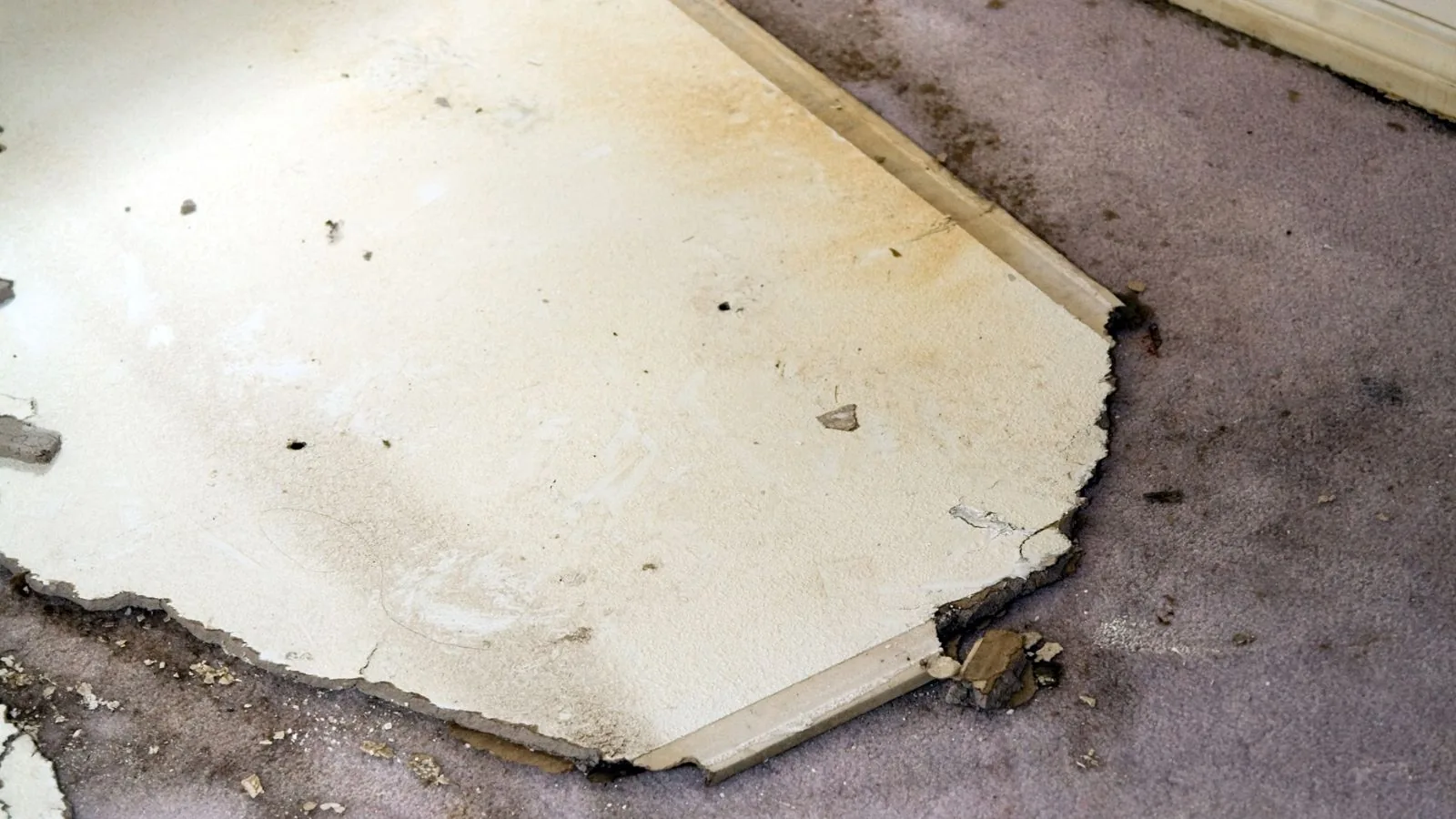
Before you call anyone: stop the water and stay safe
Start by stopping the source if it is safe. Close the fixture valve or the main shutoff. If water is near outlets, a panel or a ceiling light, leave the area and call an electrician. Safety comes ahead of any claim paperwork.
Once the situation is stable, begin documenting. A claim is easier to support when the first photos were taken before anyone cleaned up. This guide is general information. Your insurer sets the actual process and deadlines.
Step by step
Photograph and record
Take wide shots and close-ups of the damage, the source and any affected belongings. A slow video walkthrough with your voice describing each room is also useful.
Report the loss
Call your insurer or agent promptly. Ask for a claim number, the adjuster's name and the deadline for submitting documents.
Begin mitigation
Start extraction and drying so the damage does not spread. Save receipts for emergency work, rentals and lodging if needed.
Make a list
List damaged items with a rough age, price and where they were. Keep model numbers and serial numbers when you have them.
Meet the adjuster
Walk through the damage together. Point out the source and the rooms affected, and ask what documents they still need.
Review the estimate
Compare the insurer's scope with the restoration company's scope. Ask in writing about any differences.
Approve repairs
Choose a contractor and get a written scope and price. Keep every change order in writing.
What helps an adjuster
Adjusters work from evidence. Dated photos, moisture readings, a written scope and receipts all help them understand what happened. A restoration company can supply readings and notes on which materials were wet. Water extraction and drying logs are examples of the paperwork a crew can share.
You can also help by keeping a simple log. Write down the date you noticed the water, the date you called your insurer, who you spoke to and what they said. Short notes taken at the time are more reliable than memory later.
Water still spreading while you read? The 24/7 line is open now.
Call (844) 950-6900Common claim mistakes
Mistakes to avoid
- Throwing away damaged items before photographing them.
- Waiting several days to report the loss.
- Signing a scope without reading what it includes.
- Starting major repairs before the adjuster has seen the damage.
- Losing receipts for emergency work.
- Accepting verbal promises without a written note.
When the insurer and the crew disagree
Sometimes the insurer's scope and the restoration company's scope differ. That is common and can usually be discussed. Ask the adjuster to explain the difference, and ask the crew for the readings that support their plan.
If you are unhappy with a decision, ask for it in writing, and keep copies of what you send. The New Jersey Department of Banking and Insurance publishes consumer guidance on claims, and it is a reasonable place to read about your rights.
Emergency work versus full repair
Many people think of a claim as one event, but there are usually two phases. The first is emergency mitigation, which covers extraction, drying and protecting the property. The second is repair, which covers drywall, flooring, paint and cabinets.
Keeping these phases separate helps you track costs. Ask each contractor for an itemized scope so you can see which items belong to which phase. See wall and drywall water damage repair for what the repair phase can involve.
Keeping an inventory that holds up
A good inventory lists each damaged item, where it was, its approximate age and what it cost. Photographs of labels and serial numbers help. Receipts, bank statements and online order histories can show purchase dates for items you no longer have paperwork for.
Do this room by room so nothing is missed. Start with the biggest items such as furniture and appliances, then add smaller things. A spreadsheet or a simple notebook works. Update it as the adjuster asks questions.
Living away from home during repairs
If part of your home cannot be used, ask your insurer whether temporary housing is covered and what limit applies. Keep receipts for hotel stays, extra meals and storage. Ask before booking a long stay, because some policies require approval or cap the number of days.
Tenants should tell the landlord in writing which rooms are unusable and for how long. Your lease and local rules may address rent adjustments, and renters insurance may cover extra costs. Ask your agent which applies.
Working with contractors after the claim
Get the scope and price in writing before work starts and ask for a start and finish plan. If the insurer approves a figure that is lower than the bid, ask the contractor and the adjuster to discuss the difference in writing. Pay in stages that match completed work and keep every change order.
Deadlines and paperwork to track
Many policies set time limits for reporting a loss and for submitting a proof of loss. Ask your adjuster for the dates in writing and put them on a calendar. If you need more time, ask before the date passes, not after.
After the claim closes
Once repairs are done, keep a final folder with the claim number, the settlement paperwork, invoices, photos, drying logs and warranties for new work. Store a digital copy in two places. If a problem reappears, or if you sell the home, that folder will answer many questions.
Review the final payment against the scope. If something was missed, such as a room or a line item, ask the adjuster about it promptly and in writing.
According to New Jersey Department of Banking and Insurance guidance, policyholders are expected to take reasonable steps to prevent further damage after a loss. That is one reason prompt extraction and drying belong in the first day of any claim.
Weehawken notes for claims
Many Weehawken residents live in condos and multi-unit buildings along the Hudson waterfront and the Palisades. Report a loss to building management as well as your insurer, because the association may have its own steps and its own policy.
If the loss spread to a neighboring unit, document both sides. Residents in Jersey City and Ridgefield deal with the same shared-wall situations.
Questions people ask
How soon should I report water damage?
As soon as it is safe. Many policies expect prompt notice, so call your insurer or agent right away and ask about deadlines.
What photos should I take?
Take wide and close-up photos of the source, the damaged areas and affected belongings, before cleanup. Add a short video walkthrough.
Can I start drying before the adjuster arrives?
Usually yes. Policies commonly expect reasonable steps to prevent more damage. Photograph first and keep receipts.
Who decides what is covered?
Your insurer decides based on your policy. A restoration company supplies documentation but does not decide coverage.
Should I keep damaged materials?
Keep them until the adjuster says otherwise, unless they are unsafe. Photograph them first.
Questions about your own situation? The line is open 24/7.
Call (844) 950-6900