
What a scope of work is
A scope of work is a written description of the work to be done. In water damage jobs it usually covers the affected areas, the services such as extraction and drying, the equipment, the materials to be removed and the price. A good scope makes the job understandable to you, your insurer and anyone who works on the property later.
A vague scope is a warning sign. Phrases like water damage cleanup with no detail leave room for disagreement later. Ask for specifics on each room and each service.
Parts of a clear scope
Look for these items
- Address, date and the cause of loss as understood.
- Rooms and areas included, with approximate sizes.
- Services such as water extraction, drying and cleaning.
- Materials to be removed, such as baseboards, carpet pad or drywall.
- Equipment to be used, such as air movers and dehumidifiers.
- Monitoring plan, including how often readings are taken.
- Price, how it is calculated and when it is due.
- What is not included, and how changes are handled.
That last point matters most. Ask what happens if the crew opens a wall and finds more water than expected. A good company explains the process for a change order before it happens.
Mitigation scope versus repair scope
Mitigation is the emergency phase. It includes stopping the loss, extracting water, removing wet materials that cannot be dried and setting drying equipment. Repair is the rebuild phase and covers drywall, paint, flooring and cabinets.
Keep them separate in writing. Insurance often treats them as different line items, and different contractors may do each part. Our water extraction and structural drying pages describe the mitigation side.
Water still spreading while you read? The 24/7 line is open now.
Call (844) 950-6900Drying logs and readings
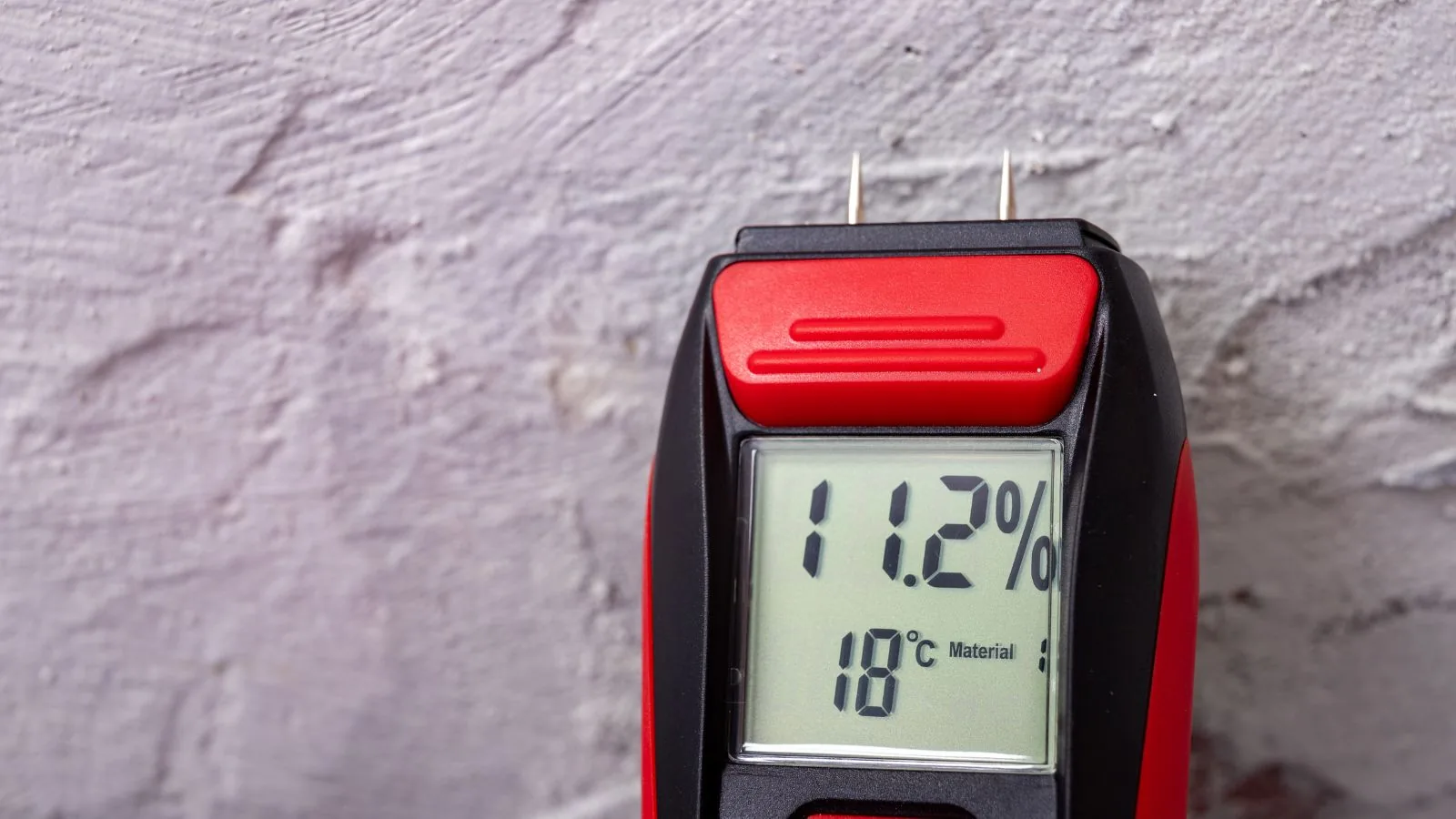
A drying job should come with readings. A crew takes moisture readings at the start, checks them during the job and records them again before removing equipment. The log shows that wet materials reached a dry standard rather than appearing dry.
Ask to see the log. It also helps your insurer, because it documents what was wet and how long it took to dry. If a company cannot show any readings, ask why.
Reading two scopes side by side
| Item | What to compare |
|---|---|
| Rooms | Are the same rooms listed in both scopes? |
| Materials removed | Does one remove drywall that the other leaves in place? |
| Equipment | How many dryers and for how many days? |
| Monitoring | Are daily readings included? |
| Rebuild | Is rebuilding in or out of the price? |
| Exclusions | What does each leave out? |
Differences are not always a problem. One crew may plan to dry in place what another plans to remove. Ask each company to explain its reason, and ask your insurer which approach it supports.
Changes during the job
Hidden damage is common. If a crew finds a wet wall cavity, a change to the scope is reasonable. What matters is that it is documented before the work happens, with a reason and a price. Do not approve verbal changes without writing them down.
Before you sign
Read every page, ask what you do not understand and keep a copy. Make sure the address, contact details and dates are right. Signing a work authorization gives permission to start, so be sure it reflects what was explained.
Terms you may see in a scope
Scopes use shorthand. Extraction means removing standing water. Flood cut means cutting drywall a set height above the floor to expose a wet cavity. Air mover is a fan built for drying. Dehumidifier means a machine that removes moisture from air. Containment means barriers that keep work separate from the rest of the home.
Ask the company to explain any term you do not know. If a line item is unclear, a quick explanation prevents later confusion. You are entitled to understand what you are paying for.
Photos in the scope
Photos tie the scope to the actual damage. A scope that references photographs of each room is easier to defend with your insurer. Ask for before and after photos, and for pictures of any removed material.
Date stamps help. If the company uses an app that stores photos with times and locations, ask for a copy at the end of the job.
Using a scope to plan your own schedule
A scope also helps you plan. It tells you how long equipment will run, when rooms will be off limits and when repairs can begin. Share the schedule with your family, your landlord or your building manager so nobody is surprised.
Ask for a rough sequence, for example extraction on day one, drying on days two to four and a readings check on day five. Dates may shift, but a plan gives everyone something to check against.
Why a scope protects both sides
A clear scope helps the company too. It sets expectations, reduces arguments and makes it easier to show that work was done as agreed. When both sides can point to the same page, disagreements shrink. That is a good sign for any contractor relationship, not just in water damage.
Keep the final scope, every change order and the drying log together. If you sell, file a claim or hire another contractor later, that packet shows exactly what was done. A few minutes spent organizing paperwork on the last day of the job often saves hours later.
Weehawken scope notes
In a Weehawken condo or rental, the scope may also need approval from the association or landlord. Share the written scope with building management early, especially if equipment will run in common areas or if units below could be affected.
Owners in Fairview and Ridgefield who own two-family houses should list each unit separately in the scope.
Questions people ask
What is a scope of work?
A written description of the work, materials, equipment and price for a job. In water damage it also covers areas, drying plan and exclusions.
Should I get more than one scope?
It is reasonable, especially for larger jobs. Compare the rooms, materials removed, equipment, monitoring and exclusions.
What if the scope changes?
Ask for the change in writing with the reason and price before work continues.
Do drying logs matter?
Yes. They show readings over time and support your claim. Ask to see them.
Is the scope the same as a quote?
A quote gives a price. A scope explains what the price buys. You want both, together and in writing.
Questions about your own situation? The line is open 24/7.
Call (844) 950-6900